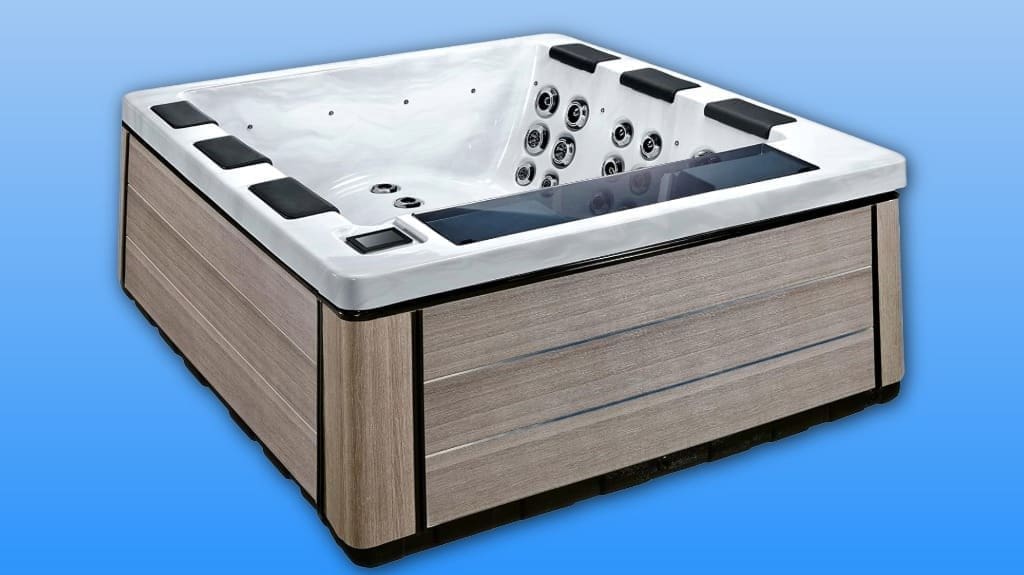
You’ll like the Comfort Hot Tubs 6-person spa if you want roomy seating, steady heat, and low upkeep; it hooks to 220V, arrives curbside, and mostly needs a flat pad and a cover lifter to feel finished. Jets target shoulders, back, and calves, the heater holds 104°F safely, and insulation cuts energy spikes, though you’ll want an electrician and winter care. It’s comfy and practical — keep going and you’ll get setup, cost, and maintenance tips.
Some Key Takeaways
- Seats six comfortably with a mix of bench and individual spots for communal relaxation.
- Heats reliably to a safe 104°F in about 60–90 minutes with steady temperature control.
- 220V installation required; professional electric hookup with GFCI is strongly recommended.
- Energy-efficient insulation, quiet operation, and self-cleaning filtration reduce running and maintenance demands.
- Comes curbside with a one-year warranty; consider a cover lifter and extended warranty for long-term protection.
Quick Verdict : Is the 6-Person Comfort Hot Tub Worth It?
If you want a roomy, no-fuss spa that’s ready to use right out of the delivery truck, the 6-Person Comfort Hot Tub is worth a hard look—especially if you value power and convenience without a lot of assembly drama. You’ll appreciate steady heat, useful therapy jets, and a design that helps with energy savings so your bills don’t spike. It runs with quiet operation, so you can chat or unwind without a racket. Think about how often you’ll use it, where it’ll sit, and whether a 220V hookup is doable. It’s comfy, communal, and surprisingly low-effort. Create a cozy outdoor oasis with a round hot tub to maximize your backyard enjoyment and relaxation with outdoor living.
What the Spa Includes: Capacity, Jets, Insulation, Cover, and Lighting
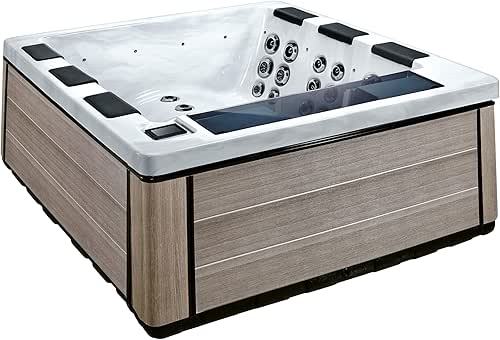
You’re getting a true six-person spa, so plan for roomy seating that lets everyone stretch out without elbow fights, and yes, that means you’ll want to think about where it’ll sit before the delivery truck shows up. Your seating layout balances shared bench space and individual spots, so you’ll invite friends without feeling cramped. Jet placement targets shoulders, back, and calves, letting you tailor pressure where you need it most. Good insulation promises energy savings by holding heat, and the included insulation cover boosts cover durability and weather protection. LED lighting adds mood, and maintenance stays straightforward — you’ve got this. Consider creating a cozy outdoor setup with plug-and-play hot tubs to make installation and seasonal use easier.
Performance Snapshot: Temperature Range, Heating Efficiency, Filtration, and Durability
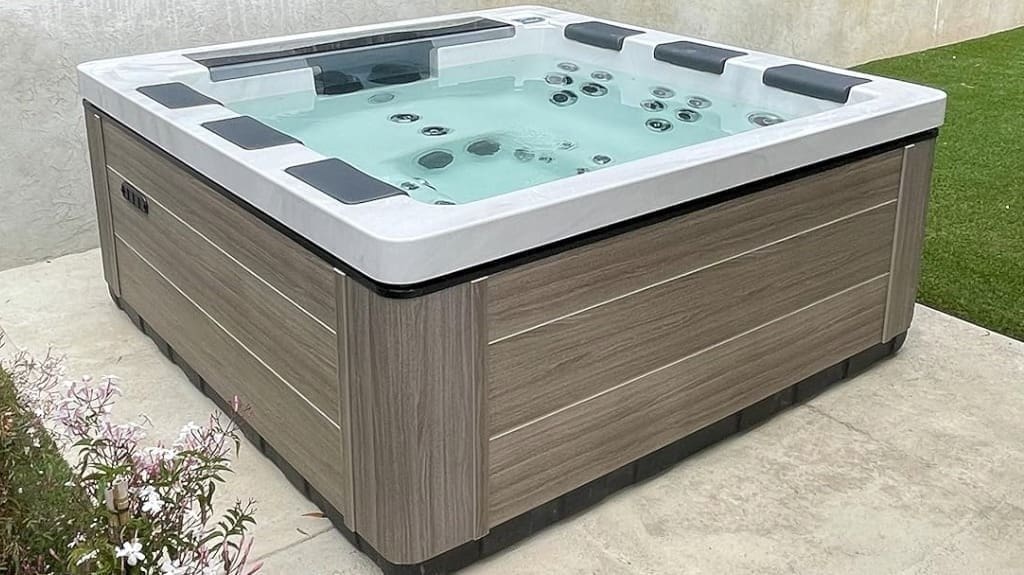
While the spa’s top heat sits at a safe 104°F, you’ll find it warms up fairly quickly thanks to its efficient heater and solid insulation, so plan on about an hour to an hour-and-a-half from cool to comfy depending on outdoor temps. You’ll appreciate steady temperature control, and regular checks of water chemistry keep things healthy and simple. The self-cleaning filtration cuts maintenance, while durable materials resist wear so the tub feels like a reliable friend. Expect modest energy consumption, track your bills, and tweak routines to save. Need a tip? Test weekly, adjust chemicals, relax sooner. Many homeowners also keep basic supplies on hand for hot tub maintenance to make regular care effortless.
Setup, Electrical Needs, and Year-Round Outdoor Use Tips
Because the tub arrives curbside ready to roll, you’ll mostly be deciding where to put it and how to power it, and those two choices will make or break your season-long enjoyment. Pick a flat spot, do proper ground prep like compacted gravel or a patio pad, and think through drainage planning so runoff won’t swamp your yard or the spa base. You’ll need a 220V hookup with clear GFCI requirements, so plan an electrician visit and budget time. For year-round use, follow a winterizing routine if unused, or keep the cover and insulation engaged; simple, smart care keeps it cozy. Consider designing a dedicated hot tub base to integrate the spa into your outdoor living space.
Cost, Warranty, Customer Service, and Who Should Buy This Spa
When you’re weighing whether this 6-person luxury portable hot tub is worth it, think about the full picture: upfront price, installation costs for a 220V hookup, and routine expenses like electricity, chemicals, and occasional filter replacements — they add up, but they’re predictable if you plan. You’ll like that good customer service helps with setup questions, and the 1-year warranty gives basic protection, though you might want to ask about extended warranty options for peace of mind. Consider long term costs, include occasional repairs, and ask yourself: will this bring your friends and family together often enough to justify it? Also consider adding a durable hot tub cover lifter to protect your investment and make cover removal easier.
Some Questions Answered
Are Replacement Parts Readily Available After the 1-Year Warranty Expires?
Yes — you can usually find parts after the one-year warranty, but it takes effort. You’ll check manufacturer support first, then explore replacement marketplaces and third-party suppliers, and consider aftermarket warranties to extend protection. Think about cost vs. DIY repair, can you swap a pump or filter yourself? Friendly tip: document serial numbers now, it saves headaches later. You’ll feel proud fixing things, even if you fumble a bit.
Can This Spa Be Used With Saltwater Systems or Alternative Sanitizers?
Yes, you can use saltwater compatibility in many portable spas, but check the manufacturer first, because salt can corrode components; alternative sanitizers like ozone or mineral systems often work well and cut chemical use. Think about cost and upkeep, will you buy a salt chlorine generator and monitor salt levels? It’s doable, but you’ll do extra maintenance, protect metal parts, and maybe swap parts later—worth it if you want softer water.
What Are the Recommended Water Chemistry Testing and Maintenance Schedules?
You should do Weekly testing of pH, sanitizer (chlorine/bromine) and alkalinity, adjust chemicals to keep pH 7.2–7.8 and sanitizer in its safe range, and shock after heavy use. Monthly draining and refill keeps minerals and buildup low, clean filters when you drain and rinse them every 2–4 weeks. You’ll save money and time with this routine, and yes, it’s worth the effort — you got this, and I’ll cheer you on.
Is There an Option for Built-In Bluetooth Speakers or Upgraded Audio?
Yes — you can get built in audio as an upgrade, and premium speakers are available on some models or as aftermarket add-ons. Think about power needs, weatherproofing, and simple wiring, because installs can be fiddly if you’re not handy. Want dealer-installed gear so it’s warrantied, or a DIY kit to save money? Either way, expect extra cost, occasional maintenance, and clearer music for shared soak sessions.
Can the Spa Be Installed on Uneven or Sloped Surfaces Without Additional Work?
No, you shouldn’t place it directly on an uneven surface, uneven placement can stress the shell and equipment, and slope compensation needs careful work. You’ll want a firm, level pad—concrete, paver, or compacted gravel—or use a professional slope compensation plan that may add cost but protects the tub. Think about access for 220V, drainage, and future maintenance; it’s a small investment that keeps your spa working and your neighbors jealous.


