
You’ll get a roomy 2–3 person tub that heats up fast and keeps warmth well when covered, so you can actually use it without endless waiting, though speed depends on starting water and weather. The 110 air jets give a bubbly, relaxing massage if you sit and find the comfy spot, and the PVC walls feel solid but check seams for leaks. Plan on basic chemicals, filter changes, and a mat under it, and keep going and you’ll learn more.
Some Key Takeaways
- Heats toward ~104°F reasonably fast, but warm-up time depends on starting water and ambient temperature.
- 110 air jets provide vigorous bubbly massage best suited for two to three people.
- 3-layer laminated PVC and vertical I-beam walls give solid feel, but inspect seams for potential leaks.
- Requires flat, debris-free surface, power access, filter installation, and routine chemical maintenance.
- Consider ongoing costs (electricity, filters, chemicals) and add mat, cover lifter, and patch kit for longevity.
Performance Test: Heating, Jets, and Comfort for 2–3 People
When you fire this inflatable hot tub up, you'll notice right away how the rapid heating system goes to work — it can bring the water up toward 104°F, and that matters when you're aiming for a quick soak after a long day; you’ll want to give it a bit of time, though, since actual warm-up speed depends on starting water temp and how cold the night is. You’ll appreciate the thermal efficiency, it keeps heat steady if you cover it, and the 110 jets deliver a bubbly massage for two or three. Think about seating ergonomics, sit where your back relaxes, test different positions, and enjoy. This setup is ideal for homeowners who want to enjoy the outdoor spaces on their property.
Build and Durability: Materials, Reinforcement, and Real-World Wear
You enjoyed how quickly the tub heated and how those 110 jets make you forget about the day, so now let’s look at what’s holding all that warmth and water together: the shell and reinforcements. You’ll like the 3-layer laminated PVC and vertical I-beam walls, they give structure and feel solid under three people, but check seam bonding closely for leaks and weak spots. Expect good UV resistance outdoors, still don’t leave it baking full-time. Sniff for material odor when unboxed, air it out if it’s strong. Watch for long term deflation signs, use a sponge mat, and patch promptly. Regular maintenance and proper winter care help prolong lifespan and prevent common issues like leaks and odor proper maintenance.

Setup, Maintenance, and Filtration Requirements
Because setting up and keeping the tub happy is half the joy, start by planning where it’ll live—pick a flat, clean surface that can hold the weight (filled) and give you easy access to power and drainage, and don’t park it on sharp gravel or a slope unless you like patching punctures at midnight. You’ll inflate, connect the pump, and fit the included filters, then learn basic water chemistry so chlorine or bromine and pH stay balanced, test often, and replace cartridges as needed. Winter? Think seasonal storage, drain fully, dry, roll gently, label the bag, and breathe. For more detailed step-by-step instructions and product options, consult an installation manual.
What It Includes and Real-World Accessories
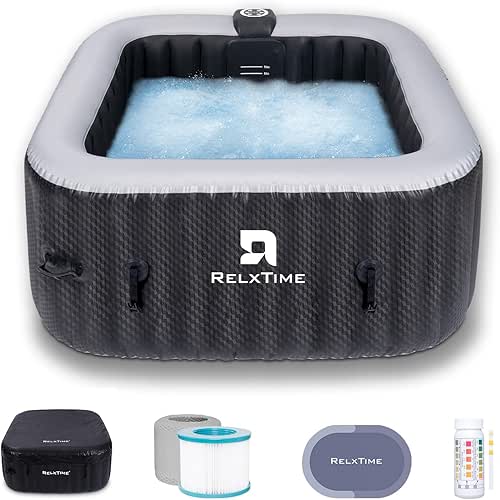
If you want to get the most from your inflatable hot tub, start by checking what’s in the box and imagining how each item will fit into your routine, because the right extras turn a good soak into a low-effort habit. You’ll find a cover, two filter cartridges with covers, the built-in heater pump and a cup holder — that’s your basic accessories list, and it’s comforting. Think about real world add ons you might want: a sponge mat for insulation, a chemical kit, a lockable cover strap, or a small steps unit. What fits your space and schedule? Consider adding a hot tub cover lifter to make accessing and stowing the cover easier.
Value Comparison and Final Recommendation
When you weigh cost against comfort, think about how often you'll actually use the tub and what that use will cost you over time — water, chemicals, electricity, and a bit of routine maintenance — because an inflatable that’s cheap up front can get expensive if it leaks heat or needs frequent filter swaps. Do a price comparison with alternative models, factor in long term costs like replacement filters, heater energy, and the occasional patch, and ask how resale value matters to you. If you want low hassle and community-level joy, this model balances features and upkeep—just remember the sponge mat. Many homeowners find that creating a cozy backyard retreat around a plug-and-play hot tub increases satisfaction and long-term value.
Some Questions Answered
Is This Hot Tub Safe for Use During Pregnancy?
You should talk to your doctor first — pregnancy precautions matter, and a prenatal consultation can confirm safety for you. Warm tubs can raise core temperature, so keep water below about 100°F, limit sessions to 10–15 minutes, and avoid jets directly on your abdomen. Bring a friend, monitor how you feel, and maintain clean filters to reduce infection risk. You’ll feel safer with clear guidance and simple, steady care.
Can the Tub Be Used With Hard Water Without Damage?
Yes, you can use it with hard water, but mineral buildup can clog filters and damage parts over time, so you'll need a water softening plan and a solid maintenance routine. Try a simple water softener or pre-filter, test hardness, flush and change filters regularly, and descale exposed fittings occasionally. Think: do you want extra steps or a quick fix? You're not alone—I've skipped upkeep before, learned the hard way.
How Noisy Is the Pump and Air Jet System?
It’s fairly quiet in normal use, you’ll hear a steady hum from the pump and a soft fizz from the 110 jets, but it won’t drown out conversation. You can lower massage intensity to reduce noise, try placing the tub on a sponge mat for added dampening, and keep filters clean to avoid louder strain. Want a quieter night? Move the tub a few feet from windows — I did, and sleep improved.
Are Replacement Parts Readily Available Worldwide?
Yes, replacement parts are generally available, you can often find spare valves and filters through the manufacturer or global suppliers, but availability varies by country. Check the maker’s website first, then authorized dealers and big online marketplaces, and don’t forget local pool shops for quicker service. Ask about shipping costs and warranty coverage before you buy. You’ll save time and frustration, trust me—I’ve learned the hard way.
Does the Cover Lock for Child Safety?
Yes — the cover uses a locking mechanism with child proof latches to help keep kids out, but you’ll want to test it the first time. You’ll feel safer knowing it’s designed to resist curious hands, yet you should check and tighten straps regularly, replace worn latches, and store the key or clips up high. Want a quick tip? Snap it closed, give a firm tug, and practice opening it once or twice.


